Unlocking Success: Top Mobile Marketing Strategies to Boost Your Business Efficiency
In today's tech-savvy society, businesses recognize the value of reaching customers through their mobile devices. Mobile marketing strategies are not just trends; they are essential tools for any business aiming to thrive in a competitive landscape. By tapping into mobile marketing, companies can directly connect with their audience, boost engagement, and ultimately drive sales. This article will explore the vital aspects of mobile marketing, from its fundamental importance to key tactics that can enhance business efficiency.

Key Takeaways
- Mobile marketing is crucial for reaching customers on their preferred devices.
- Effective mobile marketing strategies include clear goals and targeted audience engagement.
- Social media platforms can greatly amplify your mobile marketing efforts.
- SMS and push notifications are powerful tools for real-time customer engagement.
- Analytics play a vital role in measuring the success of your mobile marketing campaigns.
Understanding Mobile Marketing and Its Importance
Mobile marketing strategies have become essential tools for businesses aiming to connect with customers where they spend most of their time: on their smartphones. As more people rely on mobile devices for everything from shopping to socializing, it has become crucial for companies to adapt their marketing approaches accordingly. Mobile marketing strategies can include everything from SMS promotions and mobile app marketing to social media engagement and location-based advertising. By utilizing these strategies, businesses can reach their audience more effectively, providing tailored messages and offers that resonate on a personal level. This targeted approach not only enhances customer experience but also boosts brand loyalty, driving sales and achieving greater overall success.
Key Components of Effective Mobile Marketing Strategies
Mobile marketing strategies have become essential for businesses aiming to reach their audience directly on their devices. The first key component is understanding your target audience. Knowing their preferences, behaviors, and the devices they use allows businesses to tailor messages effectively. Next, optimizing content for mobile devices is crucial. This means ensuring websites are mobile-friendly, easy to navigate, and quick to load. Additionally, utilizing location-based marketing can enhance engagement. By sending targeted offers based on users’ locations, brands can connect with customers in real-time. Another critical aspect is leveraging social media platforms, as they naturally lend themselves to mobile use. Engaging content, like videos and interactive posts, can drive higher engagement rates. Lastly, measuring and analyzing performance is vital. By using tools that report on key metrics, businesses can refine their mobile marketing strategies over time, ensuring that they not only reach but resonate with their desired audience.
'In today's fast-paced world, successful marketing isn't about what you sell, but about how you engage with your customers – and mobile is the platform to do just that.' - Brian Solis

Leveraging Social Media for Mobile Marketing Success
In today's market, leveraging social media is essential for effective mobile marketing strategies. Social media platforms, like Facebook, Instagram, and Twitter, provide unique opportunities to engage with potential customers directly on their mobile devices. Brands can create targeted advertising campaigns that cater specifically to the mobile audience, enhancing user experience and driving conversions. Utilizing user-generated content and hashtags can increase visibility and foster community engagement. Moreover, monitoring analytics from these platforms helps businesses understand consumer behavior, allowing for fine-tuning of strategies for improved results. By actively participating in conversations and responding to customer feedback on social media, companies can build trust and loyalty, which are key elements of successful mobile marketing strategies. Remember, the more personalized and accessible your content is, the more likely it is to resonate with your audience.
Utilizing SMS and Push Notifications to Engage Customers
In today's digital landscape, businesses are increasingly turning to mobile marketing strategies such as SMS and push notifications to engage customers effectively. SMS marketing leverages the high open rates of text messages, allowing brands to reach consumers instantly and directly. This strategy not only drives customer engagement but also enhances brand loyalty by providing timely updates, offers, and personalized messages based on consumer behavior. Push notifications, on the other hand, enable companies to communicate with app users in real time, delivering valuable information that encourages interaction and enhances the user experience. Together, these mobile marketing strategies create a powerful tool for businesses to connect with their audience, ensuring that they stay informed and engaged.
Enhancing User Experience with Mobile-Optimized Websites and Apps
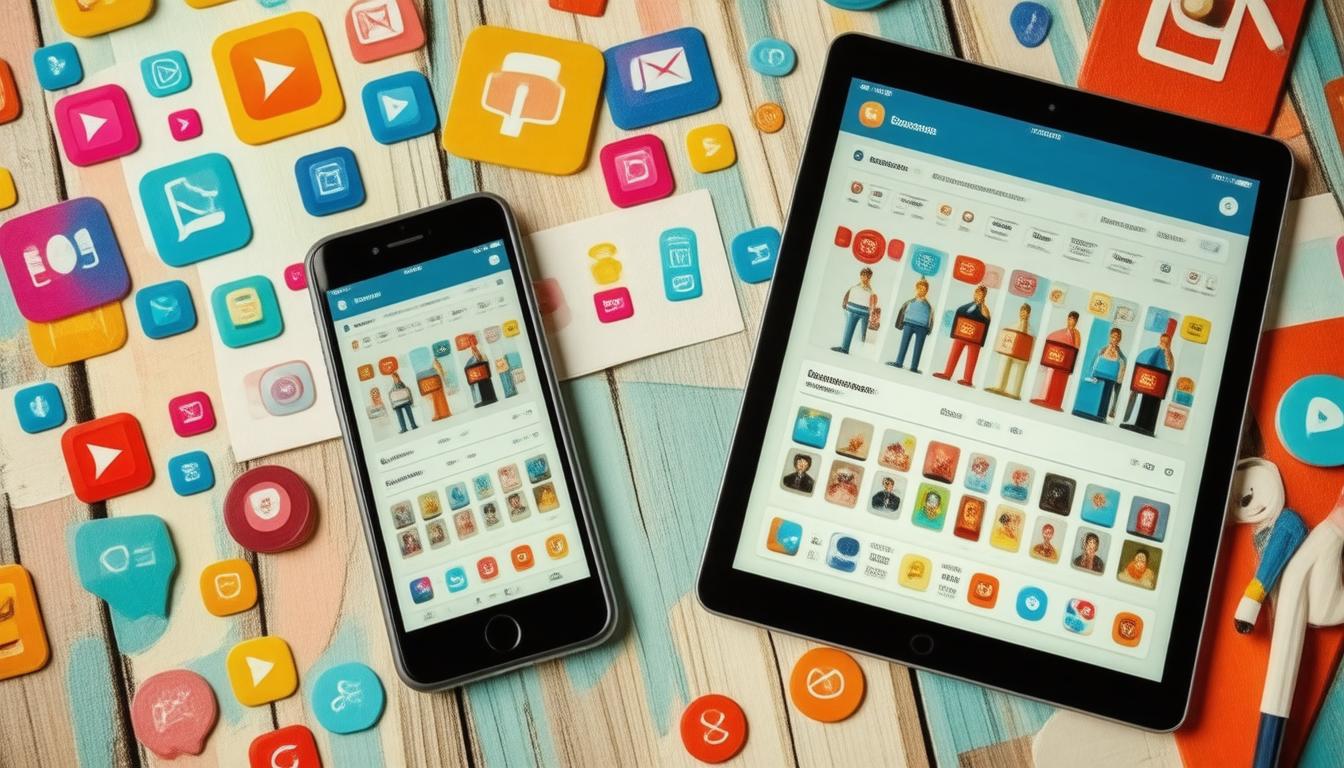
In today's digital landscape, businesses must adopt effective mobile marketing strategies to enhance user experience through mobile-optimized websites and apps. With a vast number of users accessing the internet primarily through their smartphones, having a responsive website is not just a benefit—it's a necessity. A mobile-optimized website ensures that all aspects, from loading speed to navigation, are tailored for smaller screens, providing a seamless experience for users on the go. Moreover, apps can further elevate this experience by offering personalized content and push notifications, keeping users engaged and informed. By prioritizing mobile optimization, businesses can not only attract more visitors but also increase conversions, paving the way for long-term growth in a competitive market.
Measuring Success: Analytics and Metrics for Mobile Marketing
In today's competitive landscape, understanding how to gauge the effectiveness of mobile marketing strategies is vital for any business aiming to thrive. By utilizing analytics and metrics, companies can gain a clearer picture of their marketing performance and make informed decisions moving forward. Key performance indicators (KPIs) such as click-through rates, conversion rates, and user engagement levels help businesses assess whether their efforts are yielding the desired results. Setting clear goals is essential, as it allows marketers to track progress and identify areas needing improvement. Additionally, leveraging tools like Google Analytics and app-specific metrics can provide insights into user behavior, enabling businesses to fine-tune their mobile marketing strategies for better impact. In essence, a robust analytics framework transforms raw data into actionable information, ultimately driving success in the mobile marketing sphere.
Frequently Asked Questions
What are mobile marketing strategies?
Mobile marketing strategies are tactics and techniques used to reach and engage customers through their mobile devices, including smartphones and tablets. These strategies can include SMS marketing, app-based marketing, mobile-optimized websites, and more, aimed at improving customer interaction and overall business efficiency.
Why is mobile marketing important for businesses today?
Mobile marketing is crucial because a significant portion of consumers access the internet and engage with brands primarily through their mobile devices. Effective mobile marketing can enhance customer engagement, improve user experience, and increase conversion rates, ultimately leading to higher revenue.
How can social media be leveraged for mobile marketing success?
Social media can be leveraged for mobile marketing by creating mobile-friendly content that encourages sharing and engagement, utilizing targeted ads that reach mobile users, and employing social media platforms to drive traffic to mobile-optimized websites or apps.
What is the role of SMS and push notifications in mobile marketing?
SMS and push notifications play a vital role in mobile marketing by providing direct communication channels to customers. They allow businesses to send timely promotions, updates, and reminders, which helps keep customers engaged and informed.
How can I measure the success of my mobile marketing strategies?
You can measure the success of your mobile marketing strategies by utilizing analytics tools to track key performance indicators (KPIs) such as engagement rates, conversion rates, click-through rates, and customer retention metrics. Analyzing this data will help you understand what works and what needs improvement.


Comments
Post a Comment