Unlocking Success: A Comprehensive Guide to Customer Journey Mapping for Enhanced User Experience
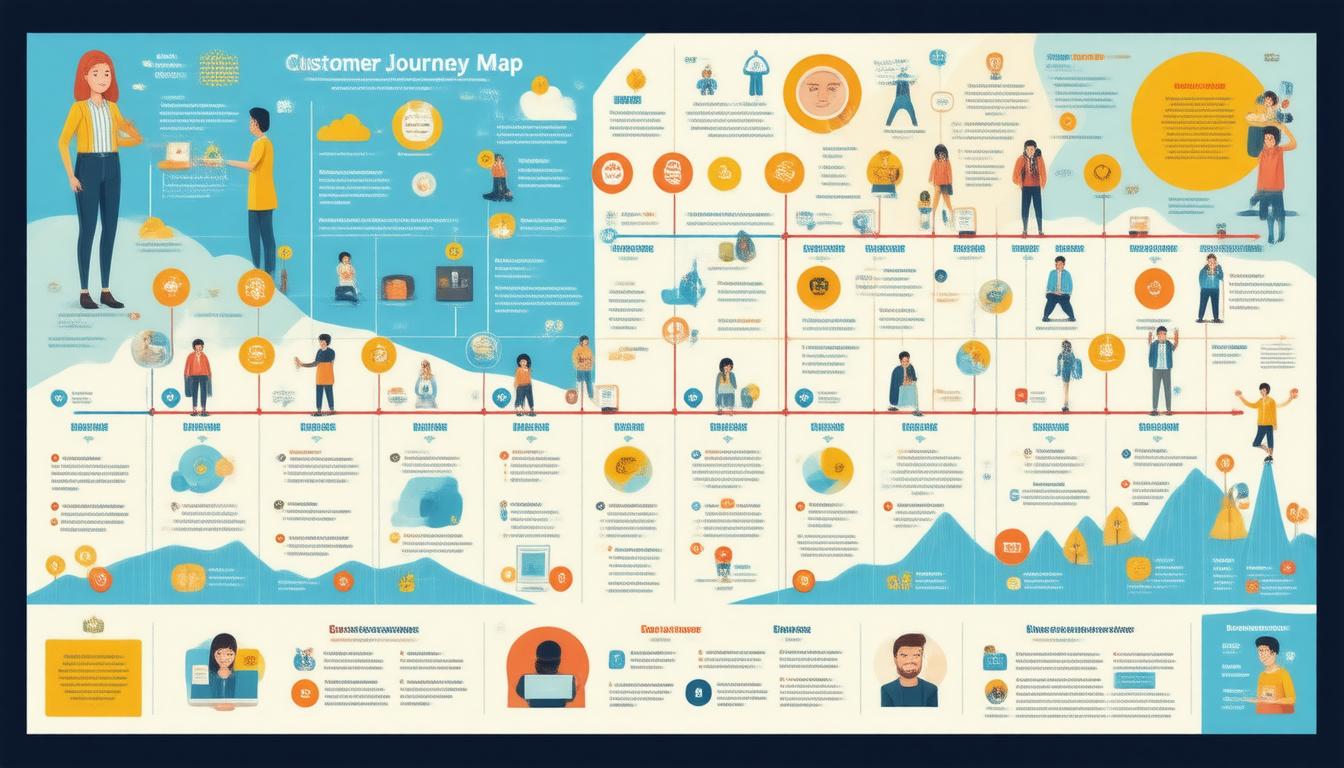
In today's competitive business landscape, understanding and optimizing the customer experience is paramount. Customer journey mapping is a vital tool for businesses seeking to enhance user experience, tailor services, and ultimately drive growth. This article will guide you through the intricacies of customer journey mapping, emphasizing its importance, components, and practical steps to create effective maps.
What Is Customer Journey Mapping?
Customer journey mapping refers to the process of visualizing the steps a customer takes while interacting with a brand or organization. This includes all touchpoints from initial awareness through post-purchase, helping companies understand the needs, emotions, and pain points of their customers at each stage of the journey. 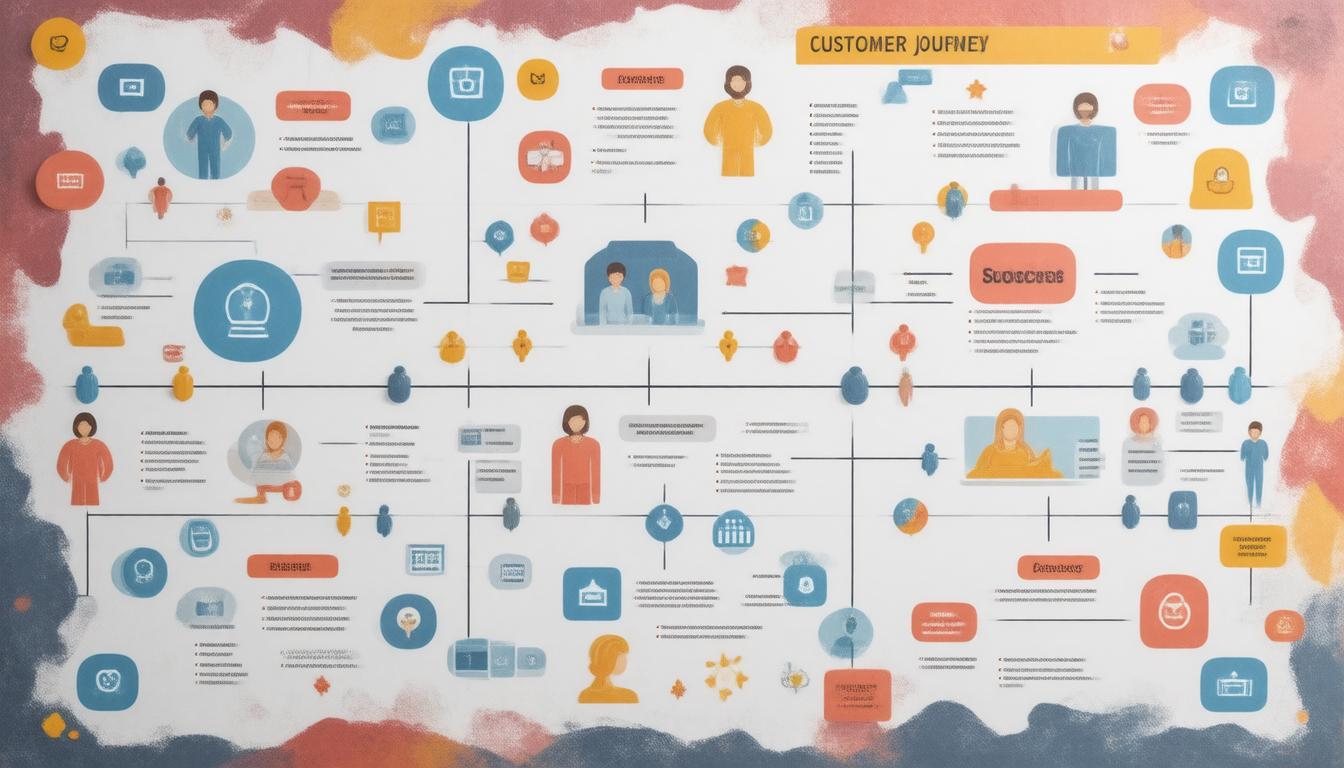
Why Is Customer Journey Mapping Important?
-
Identifying Pain Points: Journey mapping highlights where customers encounter obstacles or frustrations during their interactions. By recognizing these pain points, organizations can implement targeted solutions to enhance the customer experience.
-
Enhancing Customer Empathy: Through the lens of the customer’s experiences, businesses can develop a deeper understanding of their audience. This empathetic approach enables organizations to make informed decisions that resonate with their customers' needs.
-
Driving Customer Retention: A well-mapped journey that addresses customer concerns can lead to increased satisfaction and loyalty. By improving the overall experience, businesses are more likely to retain customers and encourage repeat purchases.
-
Aligning Internal Teams: Journey mapping fosters collaboration across departments by providing a clear visual representation of the customer experience. This shared understanding helps align organizational objectives towards improving customer satisfaction.
Key Elements of a Customer Journey Map
Creating a comprehensive customer journey map involves several crucial components:
-
Customer Personas: Define the target audience by creating detailed personas. Understand their goals, motivations, and challenges to better tailor the journey.
-
Touchpoints: Identify all the interactions customers have with your brand, including online and offline encounters. This could range from social media engagement to customer service interactions.
-
Phases of the Journey: Break down the customer experience into stages, such as awareness, consideration, purchase, and post-purchase. This segmentation helps clarify where improvements are needed.
-
Actions: Document the specific actions customers take at each stage. This includes browsing products, comparing alternatives, and making a purchase.
-
Emotional Insights: Capture the emotions customers may experience throughout their journey. Understanding their feelings can guide improvements that resonate with customers.
-
Opportunities for Improvement: Based on the insights gathered, identify areas where the experience can be enhanced, such as streamlining the purchasing process or improving customer support.
Steps to Create a Customer Journey Map
1. Gather Data
Start by collecting information through surveys, interviews, and analytics. Understand customer preferences, behaviors, and interactions with your brand.
2. Define Objectives
Establish clear goals for the mapping process. Whether it’s to improve a specific touchpoint or understand the overall customer experience, your objectives should be well-defined.
3. Create Customer Personas
Develop personas representing your key customer segments. This will help you visualize their unique journeys more effectively.
4. Map the Journey
Using the key elements outlined, begin sketching out the customer journey. Visualize the phases, touchpoints, actions, and emotions. Tools like flowcharts or specialized software can help in creating clearer representations.
5. Analyze and Validate
Validate your map with stakeholders and actual customers. Gather feedback on the accuracy of the journey and insights it provides.
6. Implement Changes
Once you have a solid map, use it to guide actionable changes. Prioritize improvements based on impact and feasibility.
7. Continuously Update
The customer journey is not static; it changes with customer expectations and market dynamics. Regularly update your journey maps to reflect new insights and maintain an optimal customer experience.
Conclusion
Customer journey mapping is a powerful strategy for businesses aiming to understand their customers deeply and enhance their experiences. By integrating visual storytelling and empathetic analysis, organizations can unlock key insights that lead to improved services, increased customer satisfaction, and ultimately greater success. Whether you’re starting from scratch or refining existing maps, the insights gained from this process will serve as a cornerstone for customer-centered strategies in your organization.
[color=rgba(0, 0, 0, 0.9)]Ready to Transform Your Digital Presence?[/color]
[color=rgba(0, 0, 0, 0.9)]Let's show you how we can help your business thrive digitally. Schedule a free 30-minute consultation with our experts.[/color]


Comments
Post a Comment