Mastering the Art of Virtual Events Hosting: Tips and Strategies for Unforgettable Online Experiences
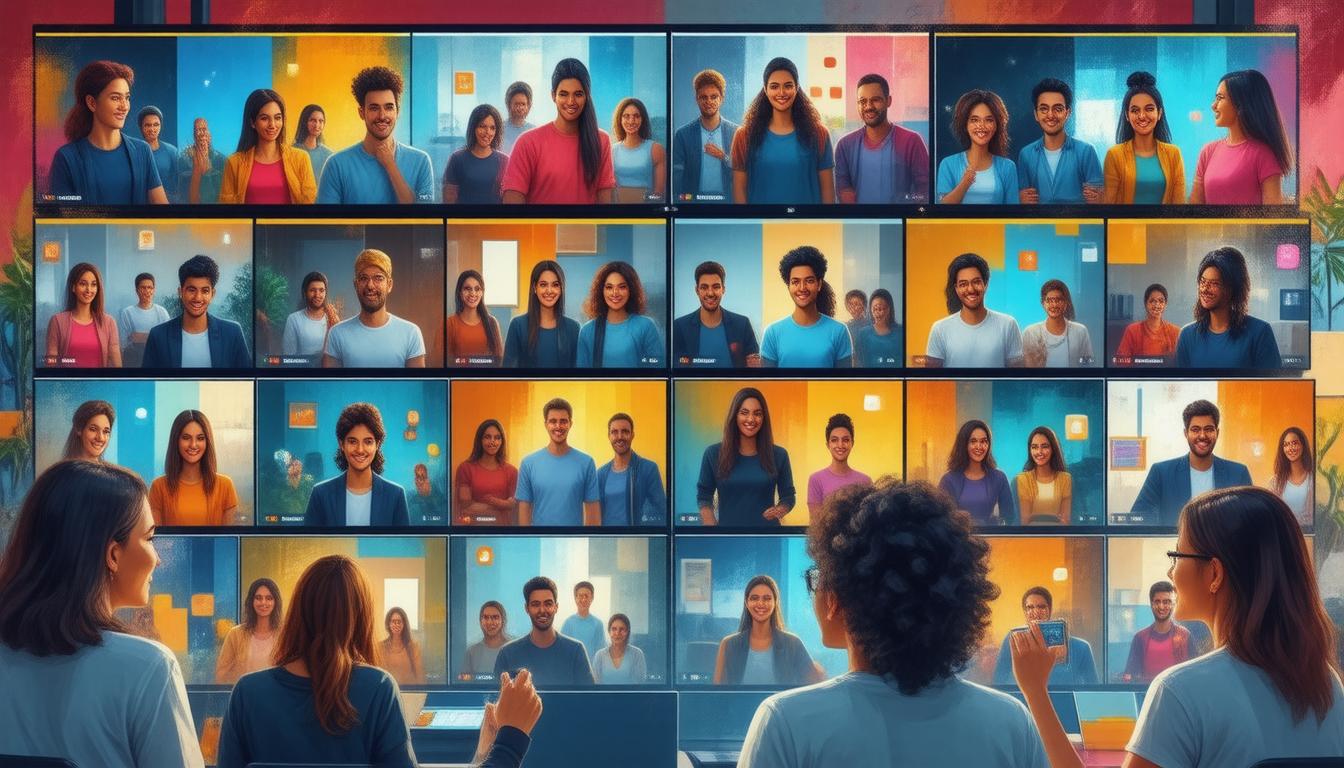
In an increasingly digital world, virtual events have emerged as a powerful means to connect, engage, and inform audiences without the constraints of physical gatherings. The transition from in-person to virtual events has accelerated, driven by technological advancements and the need for inclusivity. This article explores how to effectively host virtual events, providing insights, strategies, and ideas to ensure your online gatherings are memorable and impactful.
Understanding Virtual Events
A virtual event is a digital gathering where attendees participate online instead of physically congregating in a venue. These events can vary significantly in format and scale, including webinars, virtual conferences, and hybrid events that combine both in-person and virtual elements. The chief advantage is that they simplify access, allowing a broader audience to participate regardless of location or mobility challenges.
Types of Virtual Events
-
Webinars: Typically lasting between 30 to 80 minutes, webinars are often educational sessions delivered by one or more speakers. They are ideal for presentations, training, and Q&A sessions.
-
Virtual Conferences: Much like traditional conferences, these are multi-session events that may include keynotes, panels, and breakout sessions. They allow real-time interaction and engagement among attendees.
-
Hybrid Events: These can either be internal (like company meetings) or external (like industry conferences) and blend in-person and virtual attendance. Such events require careful planning to assure both audiences receive equal value.
-
Virtual Exhibitions: These events allow companies to showcase products or services online, enabling attendees to explore offerings interactively.
Why Host a Virtual Event?
The benefits of hosting virtual events are manifold:
- Wider Reach: Virtual formats eliminate geographical barriers, attracting participants from diverse locations.
- Cost-Effectiveness: Without the need for physical venues, catering, and associated expenses, overall costs can be significantly lower.
- Inclusivity: Virtual events can cater to those unable to travel due to disabilities or other reasons.
Crafting a Successful Virtual Event Strategy

1. Planning and Technology
Choosing the right platform is crucial; it can make or break attendee experience. Popular platforms like Zoom, Microsoft Teams, and Google Meet provide various features such as breakout rooms, screen sharing, and integrated apps. Your choice should align with the event type and desired audience engagement.
2. Engagement Strategies
To keep attendees engaged:
- Interactive Content: Use polls, Q&A sessions, and chat functions.
- Breakout Sessions: Foster networking opportunities in small groups.
- Gamification: Introduce elements of competition or fun to maintain energy and participation.
3. Pre-Event Preparations
Preparation is key for setting the right expectations. Provide attendees with clear information about how to access the event, what tools they'll need, and tips for making the most of their experience.
4. Promoting Your Event
Utilize social media, email marketing, and online advertising to spread the word. Platforms like Eventbrite also offer built-in marketing tools to optimize visibility and promotion. Engaging content, such as sneak-peeks and reminders, can further enhance anticipation.
Measuring Success
After the event, collect and analyze data to understand attendee satisfaction and engagement levels. Tools available on most platforms can track metrics, providing insights for future events.
Unique Ideas for Virtual Events
-
Themed Virtual Conferences: Choose a theme that resonates with your audience and encourage participants to dress accordingly or decorate their backgrounds.
-
Networking Lounges: Create casual break times where attendees can chat over coffee via breakout sessions.
-
Virtual Happy Hours: End the event on a fun note by hosting a social hour where attendees can unwind and network.
Conclusion
Hosting a successful virtual event requires careful planning, a strategic approach to engagement, and the right technological tools. By understanding the unique elements of virtual gatherings, leveraging innovative ideas, and prioritizing attendee experience, event planners can create unforgettable online experiences that strengthen community ties and expand their reach. The world of virtual events is ripe for creativity and connection, providing ample opportunities for engagement whether you're looking to inform, educate, or entertain.
[color=rgba(0, 0, 0, 0.9)]Ready to Transform Your Digital Presence?[/color]
[color=rgba(0, 0, 0, 0.9)]Let's show you how we can help your business thrive digitally. Schedule a free 30-minute consultation with our experts.[/color]


Comments
Post a Comment