Unlocking Success: How Customer Loyalty Programs Can Transform Your Business
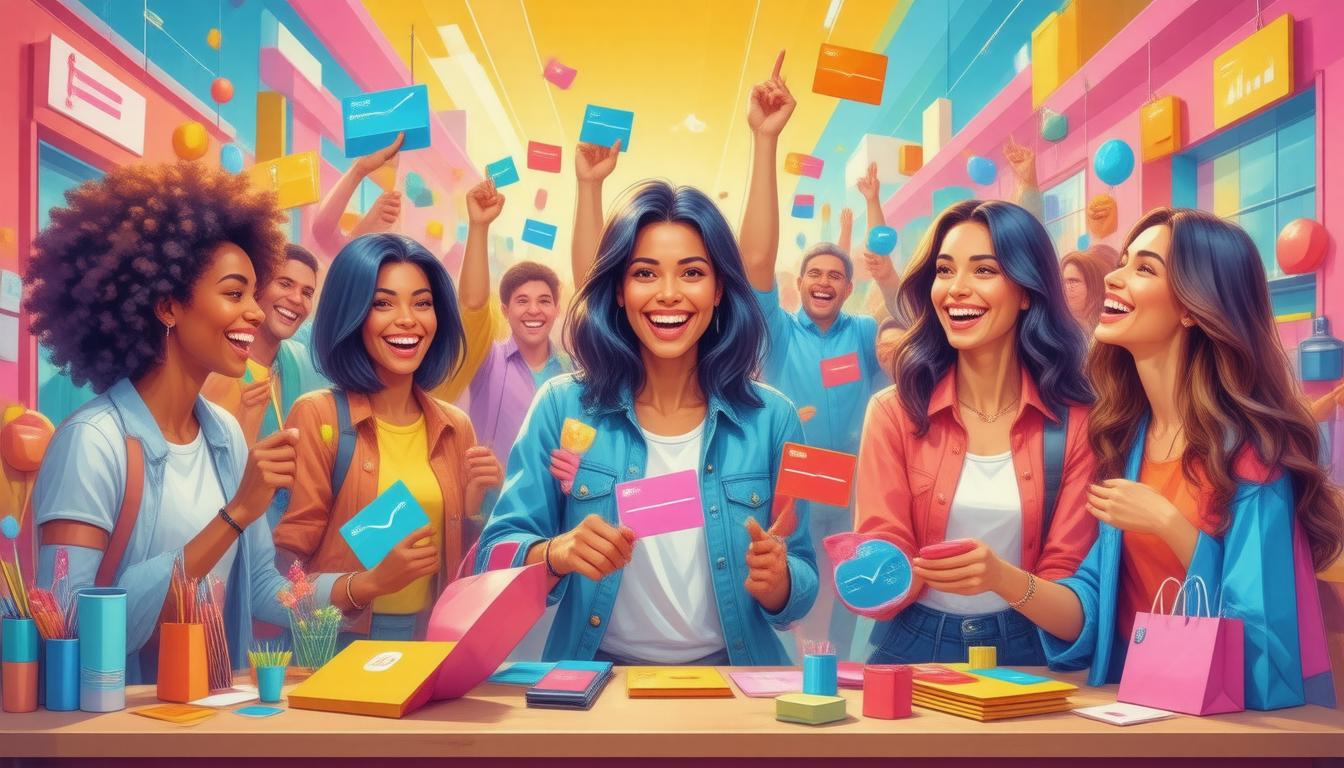
In today’s competitive market, businesses are continuously seeking effective strategies to retain customers and enhance profitability. One such strategy that has proven to be immensely valuable is the implementation of customer loyalty programs. These programs are designed to reward repeat patronage, foster a sense of belonging, and ultimately, drive sales. In this article, we will explore what customer loyalty programs are, their benefits, various types, successful examples, and how to effectively implement one in your business.
What Is a Customer Loyalty Program?
A customer loyalty program is a marketing strategy that aims to encourage repeat business by rewarding customers for their loyalty over time. Typically, customers earn points for purchases made, which can then be redeemed for discounts, exclusive offers, or free products. By creating a system that acknowledges and rewards customer engagement, businesses can enhance their relationships with existing customers and inspire them to choose their brand over competitors.
Benefits of Customer Loyalty Programs
-
Increased Customer Retention: Establishing a loyalty program can significantly enhance customer retention. Studies show that around 80% of consumers are more likely to continue purchasing from brands they are loyal to, driven largely by the perceived value of loyalty rewards.
-
Higher Average Order Value (AOV): Loyalty programs can encourage customers to spend more per transaction. By introducing point multipliers or tiered incentives, businesses can motivate customers to increase their spending to achieve greater rewards.
-
Word-of-Mouth Marketing: Satisfied customers who benefit from loyalty programs often become brand advocates. This advocacy can result in powerful word-of-mouth referrals, an effective and low-cost marketing strategy that can attract new customers.
-
Valuable Consumer Insights: Loyalty programs enable businesses to collect crucial data regarding customer preferences and buying habits. This data can inform product offerings and marketing strategies, further enhancing customer engagement.
Types of Customer Loyalty Programs
Customer loyalty programs can take various forms, each with unique structures and benefits:
-
Points-Based Programs: The most common type, where customers earn points based on the money spent, which can be redeemed later for rewards.
-
Tiered Programs: These programs establish levels of membership based on spending or engagement. Customers can unlock different rewards and benefits as they advance through the tiers.
-
Paid Programs: Customers pay a fee to join and receive immediate benefits, as seen with programs like Amazon Prime. These programs often lead to higher customer value and commitment.
-
Value-Based Programs: Such programs focus on creating an emotional connection with customers by donating a percentage of sales to charity or social causes, appealing to customers who prioritize corporate social responsibility.
Successful Examples of Loyalty Programs
Implementing successful customer loyalty programs is crucial for effectively engaging customers. Here are a few standout examples:
-
Starbucks Rewards: Known for its robust loyalty program, Starbucks allows customers to earn ‘stars’ for purchases that can be redeemed for free products, with added features like pre-ordering via the app.
-
Sephora’s Beauty Insider: This tiered loyalty program allows members to earn points from purchases and social media interactions, gaining exclusive rewards based on their spending level.
-
Costco Membership Program: Rather than a traditional loyalty program, Costco offers a paid membership model that provides customers with exclusive access to lower prices and bulk purchasing options.

Implementing a Customer Loyalty Program
To effectively launch a customer loyalty program, consider the following steps:
-
Define Your Objectives: Determine what you want to achieve with your loyalty program, such as increased retention rates or higher average order values.
-
Know Your Customers: Understand your customer demographics and preferences to create a program that resonates with them. Surveys or feedback mechanisms can help tailor your offerings.
-
Choose the Right Type of Program: Select a loyalty program structure (points-based, tiered, etc.) that aligns with your business model and enhances customer experience.
-
Promote Your Program: Be sure to market your loyalty program through email campaigns, social media, and in-store promotions to ensure customers are aware of the benefits.
-
Analyze and Optimize: Continuously track the performance of your loyalty program and seek customer feedback to make necessary adjustments.
Conclusion
Customer loyalty programs are more than just promotional tools; they are powerful strategies that can lead to significant business growth. By rewarding repeat business, creating meaningful connections, and leveraging valuable consumer data, businesses can foster lifelong relationships with customers. Whether through points systems, tiered memberships, or social responsibility initiatives, implementing an effective loyalty program can unlock new levels of success for your business.
[color=rgba(0, 0, 0, 0.9)]Ready to Transform Your Digital Presence?[/color]
[color=rgba(0, 0, 0, 0.9)]Let's show you how we can help your business thrive digitally. Schedule a free 30-minute consultation with our experts.[/color]


Comments
Post a Comment